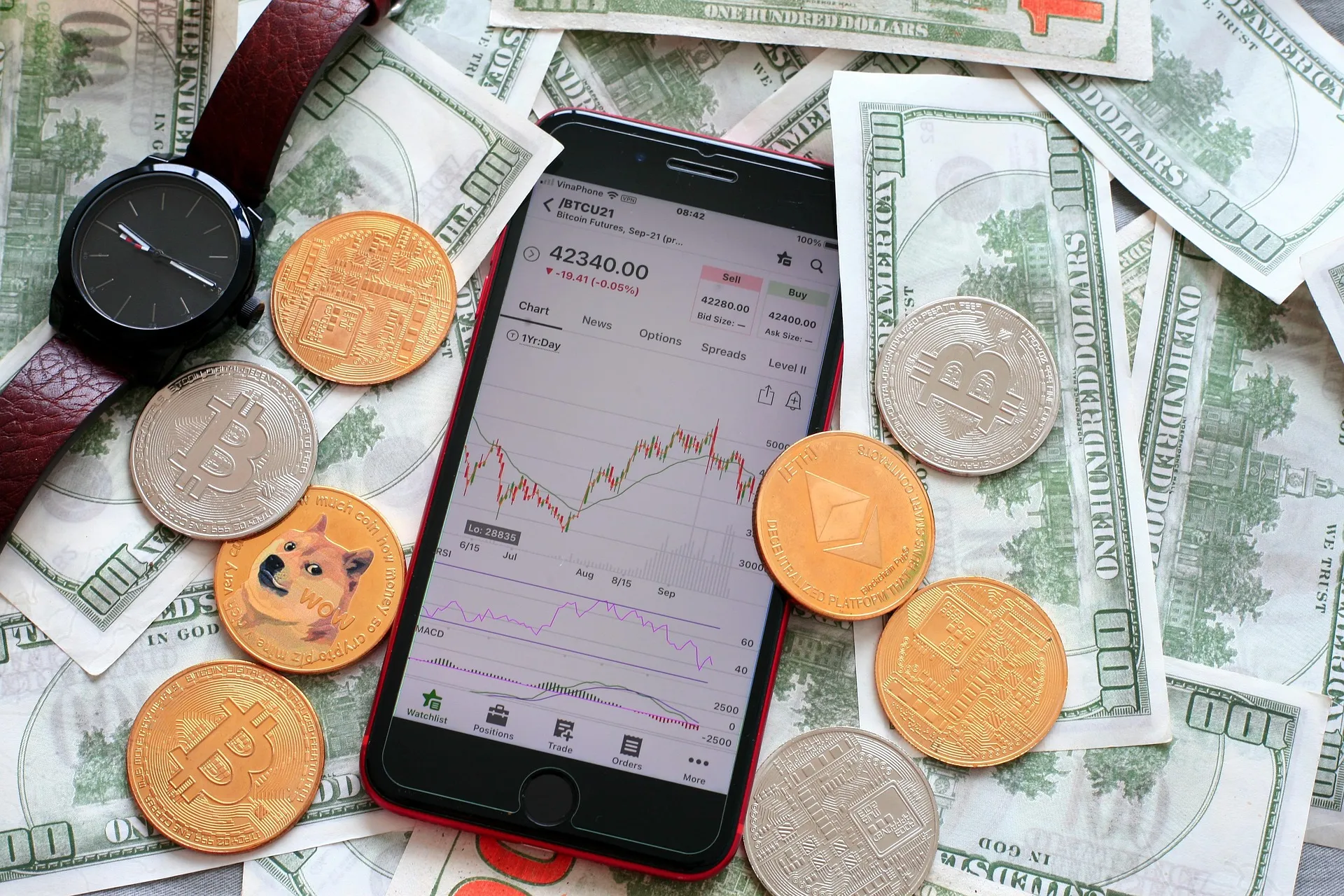

A crypto card lets you spend stablecoins or other crypto anywhere a normal payment card works. The card provider converts your crypto into the merchant’s currency at the moment you pay. Because these cards compete hard for new users, a crypto card referral code is common, and so are promo codes on social media. The rewards, however, are smaller and more conditional than the marketing suggests. Most are either a modest spending credit or a cash-like reward that appears only after you spend a certain amount within a short window.
This hub explains how card sign-up rewards work, compares the card programs we have looked at and shows how to judge whether a reward survives the card’s own fees. The program table above is generated from our reviews.
How crypto card sign-up rewards work
Card programs use three basic reward types. The first is a spend credit: a fixed amount loaded to your account that can only be spent with the card, never withdrawn. The second is a spend milestone: you receive a reward after spending a set amount within a deadline, often 30 days. The third is a staking or subscription bonus, where the reward is tied to locking a token or paying for a premium card tier.
All three are paid only after the card is ordered, verified and activated, and all three come with a deadline. That sequence matters. Ordering a physical card can take weeks, and the clock on your reward often starts at sign-up, not at delivery.
RedotPay: the card we reviewed in detail
RedotPay is a stablecoin card used in over 100 countries, popular for spending abroad and paying online. Here is what its referral program gives each side.
| Detail | RedotPay |
|---|---|
| New-user reward | 5 USD, spend-only, valid 30 days |
| Card cost | 10 USD virtual or 100 USD physical |
| Spending fees | 1% conversion plus 1.2% foreign currency |
| Inviter earns | % of your card order fee and card spending, in USDT |
| KYC | Required, 18+, ID valid 3+ months |
| Not available | US citizens and several restricted countries |
The 5 USD reward is real but tightly limited. It cannot pay for the card, cannot be withdrawn and expires after 30 days, so you have to order, verify and activate a card quickly and then spend it on purchases. It softens the 10 USD virtual card fee; it does not cover it.
The larger picture is the fee on every purchase. Spending 500 USD a month in a foreign currency costs about 11 USD in conversion and FX fees at RedotPay’s rates. Over a year, that dwarfs any sign-up reward. That is not a criticism unique to RedotPay. It is the main reason to compare cards by their ongoing fees rather than their promo codes.
Other card offers in the market
Several platforms we review for other reasons also run card referral rewards, and their numbers help put RedotPay in context.
Jupiter runs a card called Jupiter Spend. New users receive $20 after spending $1,000 with the card within 30 days, and inviters receive $10 for each friend who spends $50 within 30 days of KYC. The reward is generous only if you were going to spend $1,000 in a month anyway.
Bitget Wallet offers the Bitget Wallet Card alongside its self-custody wallet. Its card referral pays inviters $2 to $5 per activated card and 0.10–0.30% of card spending; the invited user mainly receives gas credits on the wallet side. The friend must bind the code, activate a card and make a first purchase within 7 days.
Crypto.com attaches a separate $25 bonus to staking CRO for a metal card or taking an annual Level Up Pro plan, on top of its exchange referral milestones. That bonus requires locking a token, which is a very different commitment from paying a small card fee.
How to choose a crypto card
Pick the card by the things you will pay for every month. First, the fees on spending: conversion, foreign currency and ATM fees. Second, availability: cards are issued per country, and many exclude the US, the UK or other regions. Third, top-up method: which stablecoins and networks you can use to load the card, and what those transfers cost. Fourth, limits: monthly spending caps and whether physical cards cost extra. Only then compare sign-up rewards.
If two cards are similar on fees and both serve your country, the referral reward becomes a tie-breaker. A 5 USD spend credit and a $20 milestone are both pleasant, but neither should push you into a card with higher fees on every purchase.
Think about custody too. A card linked to an exchange account keeps your funds with that exchange. A card linked to a self-custody wallet may let you hold keys until you spend, but the card issuer still holds the balance you load. Our crypto wallets hub explains the custody side, and the lending hub covers platforms that combine cards with yield.
KYC is unavoidable
Crypto cards run on the same payment networks as bank cards, so every card program requires full identity verification. RedotPay asks for a government ID valid for at least three more months, a face scan, your address and a short questionnaire, processed through a verification provider. Expect similar checks everywhere. Our guide to KYC for crypto bonuses explains which documents are usually needed and how long approvals take.
Beware of anything advertised as a “no-KYC crypto card” with a large sign-up bonus. Such offers often belong to unlicensed issuers that can freeze balances without notice. Our guide to fake crypto bonuses shows how to spot them.
Using a crypto card referral code step by step
Enter the code when you register, not after. RedotPay links the inviter at sign-up, and most card programs work the same way. Complete identity verification promptly, because the 30-day clock on the 5 USD reward does not wait for approval. Order the cheaper virtual card first if you mainly pay online, and activate it before you load a large balance. Finally, spend the reward on a real purchase within the window, since unused credit simply disappears.
One last point for frequent spenders: spending crypto through a card is, in many countries, a disposal of that crypto for tax purposes. Stablecoins reduce the gain or loss, but they do not always remove the reporting duty. If that sounds like paperwork, our crypto tax software hub compares tools that import card transactions automatically.