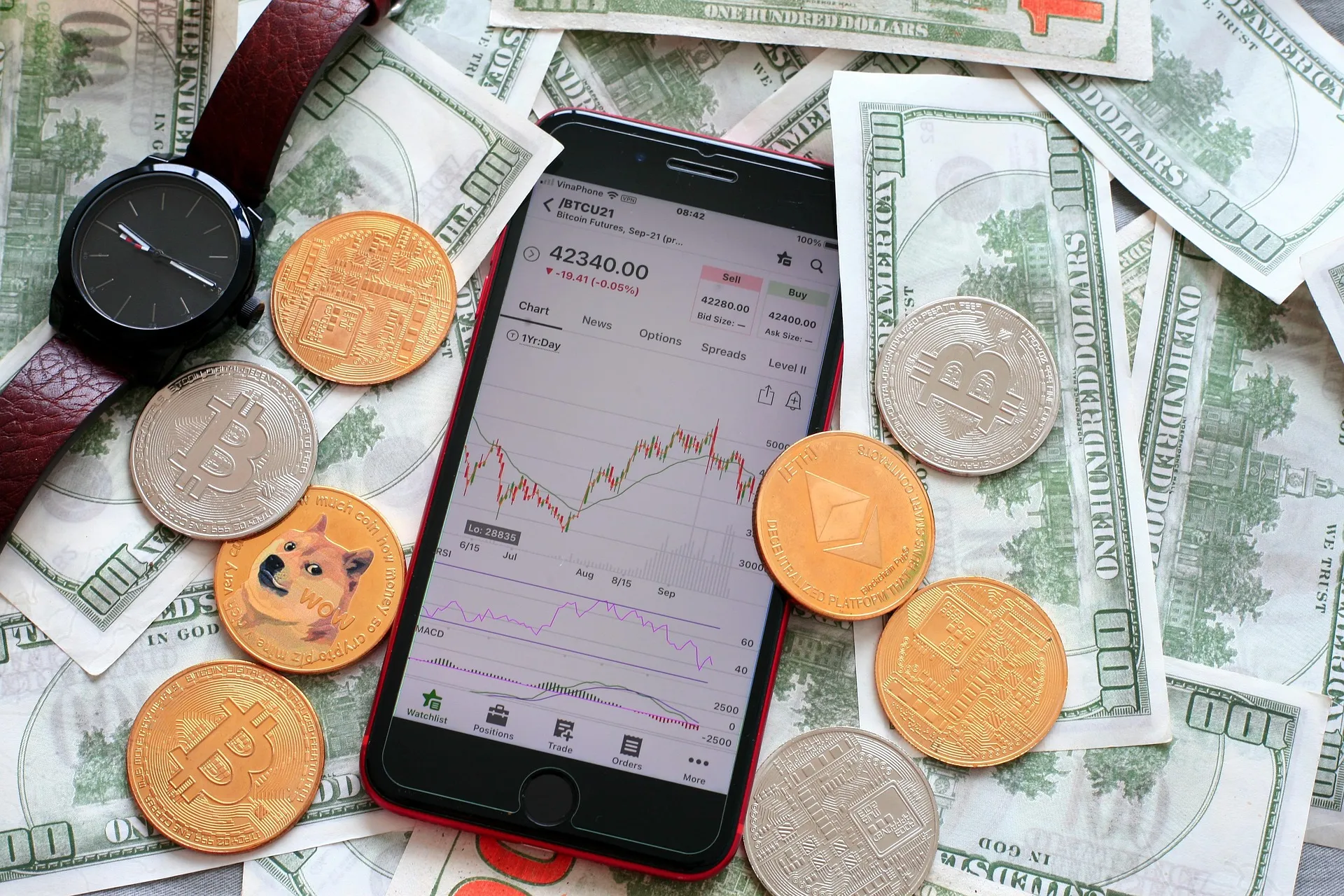


Searching for a crypto trading bot promo code usually turns up two very different products under the same name. One is a bot service: a website or app such as 3Commas, Cryptohopper or Bitsgap that you connect to your exchange account and pay for with a monthly or yearly subscription. The other is an exchange with bots built in, such as Pionex, where the bots are free to run and the platform earns its money from trading fees, like any other exchange. A promo code means something different in each case, and mixing them up is how people end up with the wrong discount.
This hub explains both models, compares the offers we have reviewed and shows how to stack the right savings. The program table above is generated from our reviews, so the figures here stay consistent with each review page.
Subscription bots vs exchange bots
A subscription bot platform never holds your funds. You create API keysAn API key is a password-like key that lets a program place orders on your exchange account. For bots, it should allow trading but never withdrawals. on your exchange, paste them into the bot service, and the service places orders for you. You pay the bot company a plan fee, and you pay the exchange its usual trading fees. A promo code here lowers the subscription price. It has no effect on exchange fees.
An exchange with built-in bots is a single account. You deposit to the exchange, start a grid or DCA bot from its menu and pay only trading fees. A referral code here works like any exchange code: it links you to an inviter at sign-up and may unlock a welcome reward or a fee discount, depending on that exchange’s current rules. Our Pionex referral code review explains how that program works.
The practical question is therefore simple. Do you want to keep your funds on an exchange you already use and rent a bot on top? Then a subscription discount matters. Do you want everything in one place and are happy to move funds? Then an exchange-style bot platform and its referral terms matter more.
3Commas promo code: what the numbers say
3Commas is the subscription platform we have reviewed in detail. The facts from our 3Commas promo code review:
| Offer | What it gives you | Condition |
|---|---|---|
| Referral link | 10% off monthly plans | New user registering via the link |
| Free trial | Time-limited Pro access | Every new account |
| Annual billing | About 24–25% below monthly list price | Pay for 12 months upfront |
| Campaign codes | Varies by campaign | Entered under Subscriptions |
The interesting line is the last-but-one. Annual billing alone saves roughly a quarter of the monthly list price, which is more than double the referral discount. So the referral link is best for people who want to pay month by month: on a $50 Pro plan, 10% is $5 a month. If you already know you will run bots for a year, annual billing is the bigger lever.
The referrer side is tiered. 3Commas pays 25% of level-1 referrals’ crypto subscription payments, 15% at level 2 and 10% at level 3. That multi-level structure is legitimate here, because it is funded by real subscription payments rather than by new sign-ups. Our guide to multi-level referral systems explains how to tell such tiers apart from an MLM scheme.
Other bot platforms
Cryptohopper and Bitsgap are well-known subscription services that also run referral and affiliate programs and occasional seasonal discounts. We have not published reviews of them yet, and their offers change with campaigns, so we do not quote figures here. The same rules apply: the discount reduces the plan price, the exchange still charges its own fees, and annual billing often saves more than a code.
Many large exchanges have also added grid and DCA bots to their own apps. If you already trade on one of them, compare its built-in bots before paying for a separate service. The exchange’s referral code, compared on our exchange referral codes hub, then becomes the relevant discount.
The real cost of running a bot
A bot’s cost has two parts, and only one of them is touched by a promo code. The first is the subscription, which a code can reduce by 10%. The second is trading fees, which can easily be larger. Grid bots in particular trade often: they buy a little lower and sell a little higher, again and again, and every fill pays a fee.
Here is a rough example. A grid bot that turns over $20,000 of volume a month at a 0.1% taker feeThe taker fee applies when your order fills instantly against existing orders. The maker fee, usually lower, applies when your limit order waits in the book and someone else fills it. pays $20 a month in exchange fees. If the bot places limit orders that qualify as maker orders, the rate may be lower. A 10% exchange fee kickback would save $2 of that. The 3Commas referral discount would save $5 on a $50 plan. Both are small next to the strategy’s own gains or losses, but together they shave a noticeable slice off fixed costs.
How to choose a bot offer
Start with the strategy, not the promo. If you only want a simple DCA or grid bot on one exchange, a built-in exchange bot avoids subscription fees completely. If you want multi-exchange portfolios, signal-based trading or advanced terminal features, a subscription service is worth its price, and then a referral link or annual plan lowers it.
Next, check what the free tier or trial includes. 3Commas gives every new account a time-limited Pro trial, so you can test bots before paying anything. Use the trial to confirm the strategy works for you, then decide between monthly with the referral discount or annual billing.
Finally, protect your account. Create API keys that allow trading only, never withdrawals, and restrict them to the bot provider’s IP addresses if your exchange supports it. A promo code saves a few dollars; a leaked key with withdrawal rights can cost everything.
Traps in the trading bot category
Bot marketing leans on promised returns. “Earn 1% a day automatically” is a red flag in any form, and no promo code makes it true. Fake bot platforms that ask you to deposit to their own wallet, rather than connecting to a known exchange, are a common scam pattern. So are “copy trading” groups that sell signals with a referral to an unknown exchange.
Legitimate bot services connect to established exchanges and charge a visible subscription. Legitimate exchange bots run inside a known exchange account. Anything else deserves extreme caution, and our guide on fake crypto bonuses lists the usual warning signs.
If you trade leveraged perpetual futures with a bot, the fee side matters even more because volumes are higher. Our perp DEX referral codes hub covers on-chain venues where a referral code can trim perps fees.